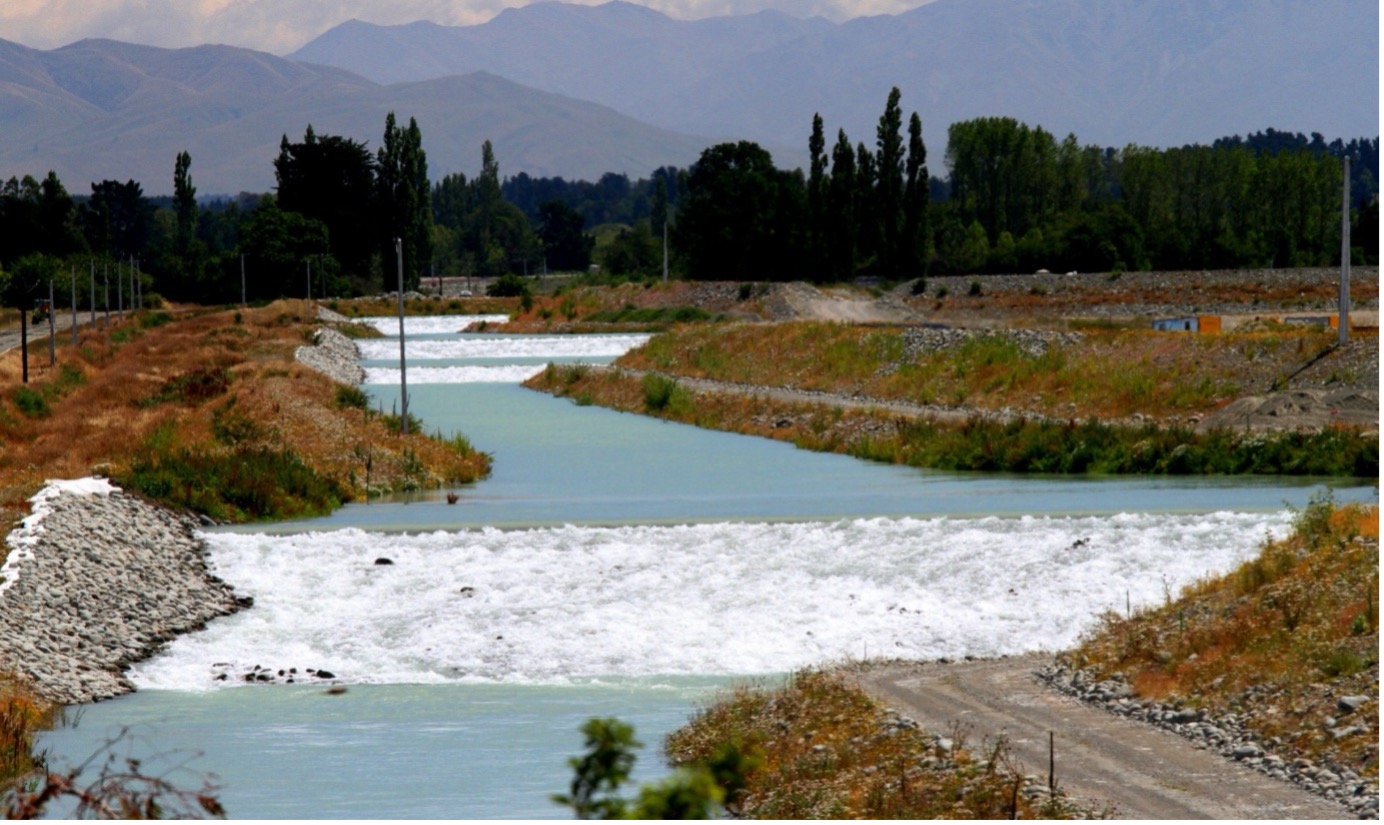
A dream finally realised
Rangitata South Irrigation Scheme was first considered in the 1970s when the Ministry of Works and Development began researching options to irrigate the lower land area between the Orari and Rangitata Rivers. In 2005 Gary and Adrian Rooney began working with Attewell Irrigation on a proposal to build storage ponds and provide water for irrigation of over 12,000 hectares of land. Consequently, consents were obtained and interest secured with construction beginning in February 2011.
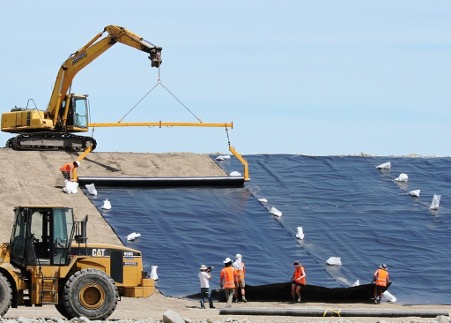
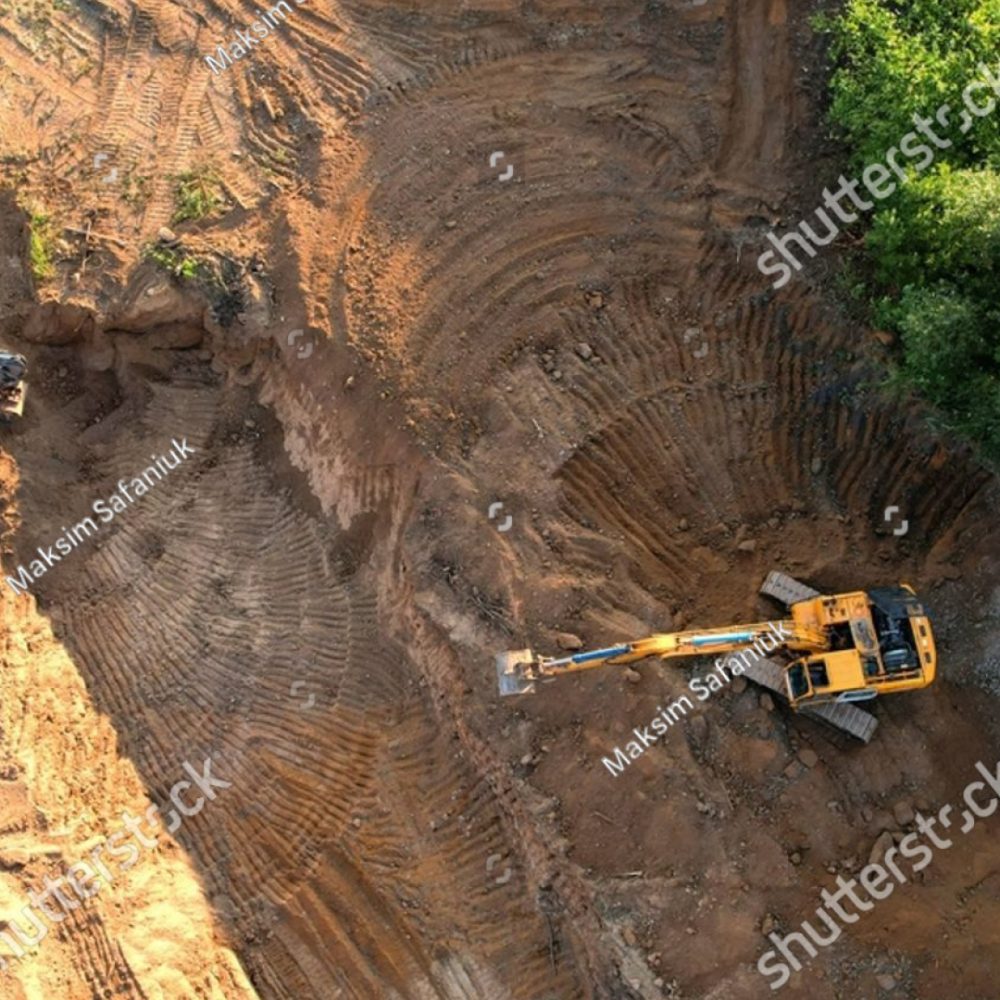
This was a significant earthworks project, moving and constructing over four million cubic metres of locally sourced material to form seven large storage ponds. Pond embankments were lined with impermeable liner and remote mechanical gates were installed between each of the embankments. Our construction included over 70 km of water race beyond the ponds to provide water to more than 25 individual farming clients through a series of remotely controlled intake gates.
Project Scope:
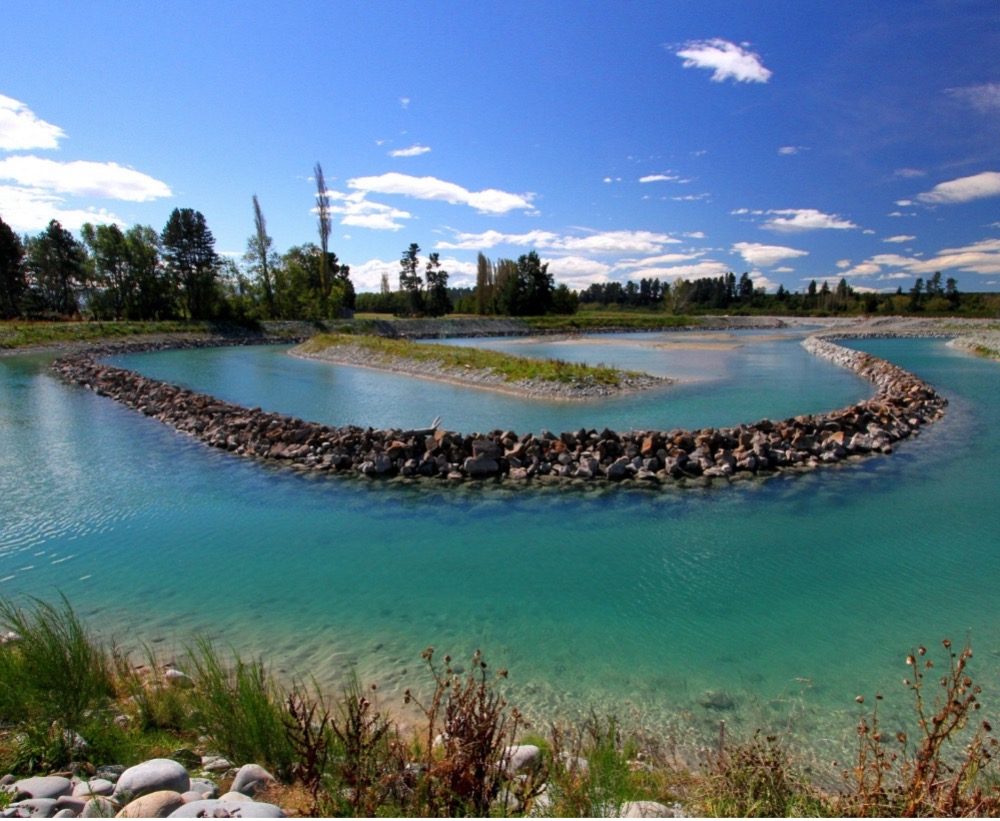
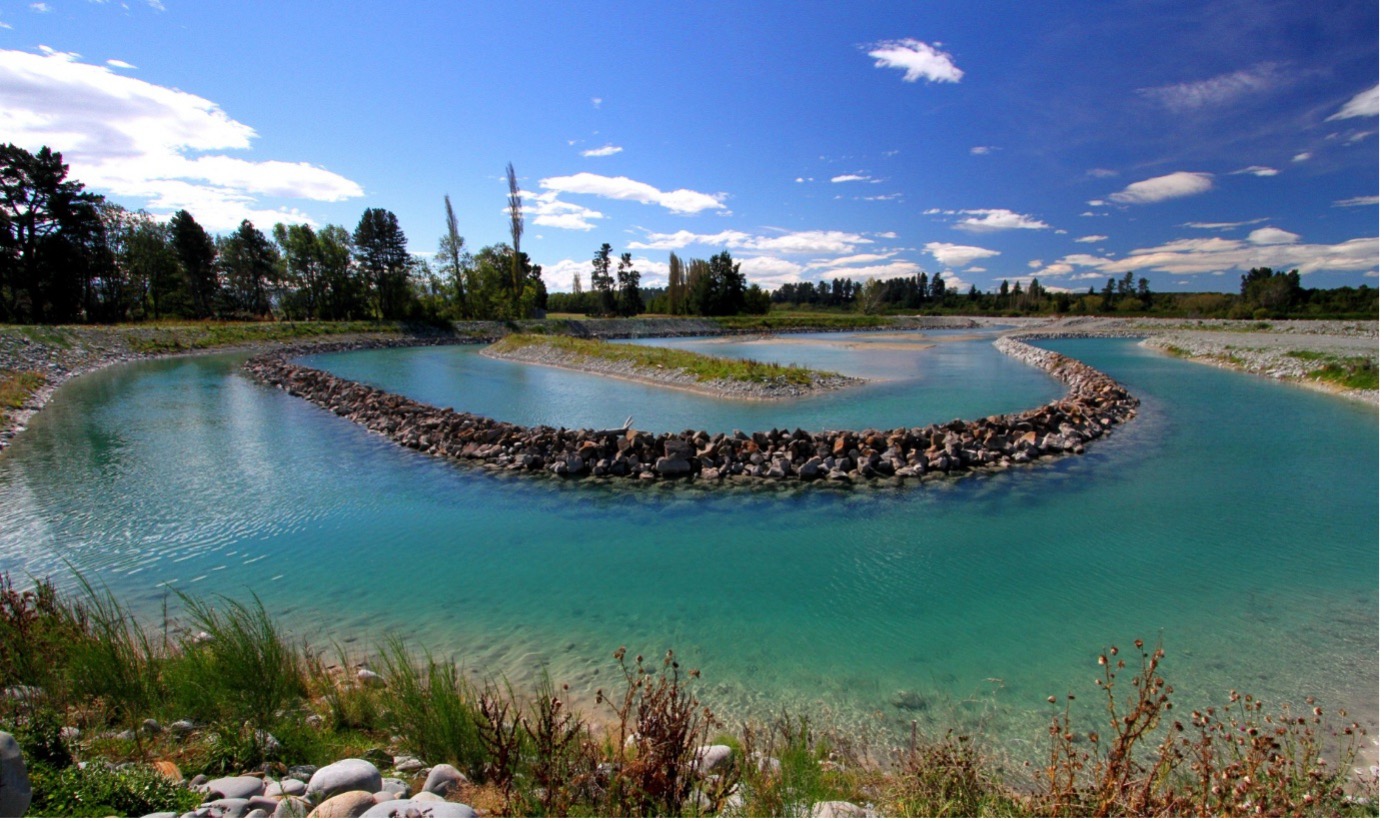
- Construction of an in river fish screen using natural materials
- An unlined 22 m3/sec distribution race that fills 7 large ponds evenly
- Earth embankment lined earth water storage ponds with a capacity of 16.5 million cubic metres
- 1 million square metres of HDPE lining the earth embankments
- 70 km of open supply race servicing 39 on-farm storage ponds
- Irrigated area of 13,000 hectares within a total command are of 30,000 hectares

Technical Constraints:
The Rangitata River had a water conservation order placed on it in June 2006 by the NZ Ministry for the Environment. This placed restrictions on the extraction of irrigation water from the river. The Rangitata South Irrigation Scheme is a unique design developed to harvest only surplus water from the river, store it and then distribute to on farm storage ponds for farm irrigation as and when required. The process achieved targets of up to 80% reliable in a normal irrigation season.
Outcomes:
The construction period took over 36 months. The final cost of the project was just over $112 million. Land values of the command area increased significantly allowing a mini fiscal boom of the area and an estimated overall economic benefit to the region valued at three-quarters of a billion dollars.